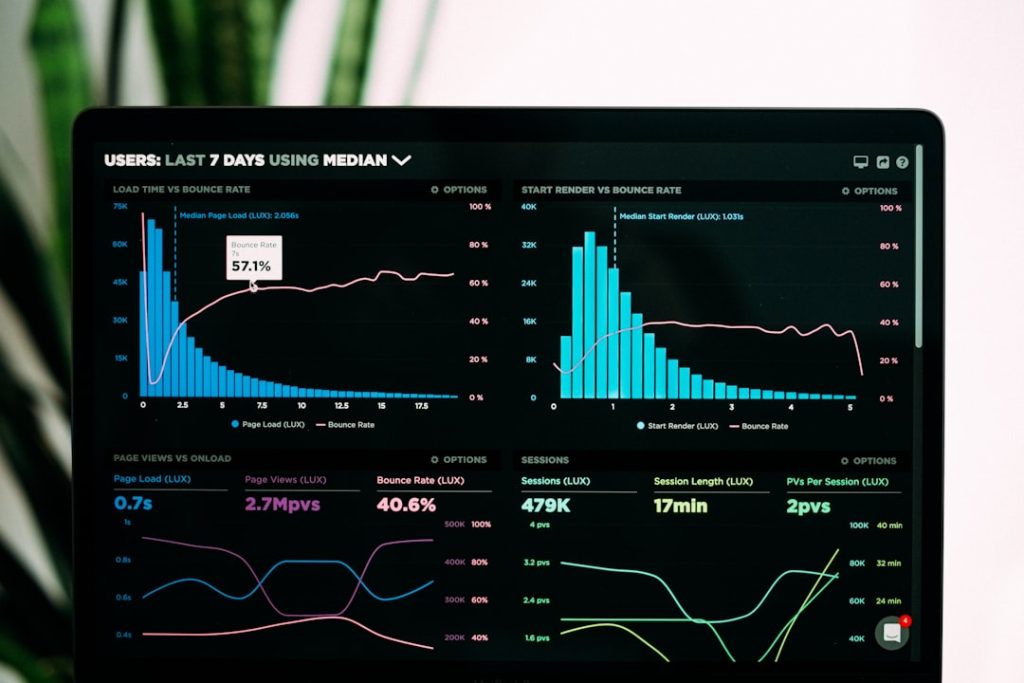
In today’s data-driven business environment, the ability to automate report generation python has become essential for organizations looking to save time, reduce errors, and improve efficiency. Python offers powerful tools and libraries that make creating, formatting, and distributing reports automatically a straightforward process for developers and data professionals alike.
Whether you’re managing financial statements, sales dashboards, or performance metrics, automating your reporting workflow can dramatically reduce manual effort and ensure consistency across all your business intelligence operations. This comprehensive guide explores everything you need to know about automating report generation with Python.
What is Automate Report Generation Python?
Automate report generation Python refers to the practice of using Python programming language to create, format, and distribute business reports automatically without manual intervention. This process typically involves extracting data from various sources, processing that data, and generating professional reports in multiple formats like PDF, Excel, or HTML. Web Scraping With Python Beginner Guide
Python’s rich ecosystem of libraries such as Pandas, ReportLab, and Jinja2 makes it particularly well-suited for this task. These tools enable developers to build scalable, maintainable solutions that generate reports on schedules, triggered by events, or on-demand through user requests. Server Monitoring Tools Open Source
The core concept behind automated report generation is replacing repetitive, time-consuming manual processes with intelligent scripts that handle data aggregation, transformation, and presentation automatically. This approach is used across industries including finance, healthcare, retail, and technology sectors.
Why Does It Matter?
The importance of automated report generation cannot be overstated in modern business operations. Organizations generate thousands of reports annually, and manual creation processes are prone to human error, inconsistency, and significant time waste.

Consider that an employee spending 5 hours per week on manual report creation loses approximately 260 hours annually—equivalent to over six full work weeks. When multiplied across departments, this inefficiency becomes a substantial business liability.
- Time Savings: Automated reports eliminate hours of manual data entry and formatting each week
- Consistency: Every report follows the same template and calculation logic, ensuring reliability
- Accuracy: Removing manual steps dramatically reduces calculation errors and data inconsistencies
- Scalability: Generate hundreds of reports simultaneously without additional resource investment
- Real-time Insights: Reports can be generated on-demand or scheduled for continuous updates
- Cost Reduction: Decreased manual labor translates directly to lower operational expenses
Additionally, Python report automation enables organizations to implement more sophisticated analytical features, such as predictive analytics, trend analysis, and automated alerting when metrics exceed thresholds.
„Automated reporting is not just about saving time—it’s about enabling better decision-making by providing timely, accurate insights when they’re needed most.” – Data Analytics Industry Insight
How Does It Work?
Basics
The fundamental process of automating report generation involves several key steps that work together in sequence. Understanding these basics provides the foundation for building more complex automation solutions.

The first step is data collection, where Python scripts connect to various data sources such as databases, APIs, CSV files, or cloud services. Libraries like SQLAlchemy, requests, and pandas make it easy to retrieve data from multiple sources seamlessly.
- Data Extraction: Connect to databases or APIs and retrieve relevant data
- Data Processing: Clean, transform, and aggregate data using Pandas DataFrames
- Analysis: Calculate metrics, trends, and key performance indicators
- Template Rendering: Use Jinja2 or similar to populate report templates with data
- Report Generation: Convert processed data into PDF, Excel, or HTML formats
- Distribution: Send reports via email, upload to cloud storage, or publish to dashboards
For example, a Python script might connect to your company’s CRM database each Monday morning, extract sales data from the previous week, calculate conversion rates and revenue metrics, and generate a professional PDF report that’s automatically emailed to the sales team.
Libraries like ReportLab and python-docx allow you to generate formatted documents programmatically. Meanwhile, pandas excels at data manipulation, while libraries like matplotlib and plotly enable chart generation within reports.
Scheduling is handled through tools like Advanced Python Scheduler (APScheduler) or system-level schedulers like cron on Linux or Task Scheduler on Windows. This ensures reports run automatically at specified times without manual triggering.
Advanced Tips
Once you’ve mastered basic report generation automation, several advanced techniques can enhance your solution’s capabilities and sophistication.
Dynamic templating using Jinja2 allows you to create flexible report templates that adjust content, styling, and layout based on the data being reported. This approach reduces the need to maintain multiple report formats for different scenarios.
- Conditional Content: Include sections only when specific data conditions are met
- Parameterized Reports: Accept user inputs to customize report content and date ranges
- Multi-format Output: Generate the same report in PDF, Excel, and HTML simultaneously
- Caching Mechanisms: Store intermediate results to speed up report generation for repeated queries
- Error Handling: Implement logging and alerting when data retrieval or processing fails
- Version Control: Track report templates and generation scripts using Git for reproducibility
Another advanced technique involves implementing incremental reporting, where only new or changed data is processed and included in reports. This approach significantly improves performance for large datasets and frequent report generation schedules.
Security considerations are crucial when automating sensitive reports. Implement encryption for data in transit and at rest, use authentication tokens for API access, and ensure reports containing sensitive information are properly access-controlled.
Consider implementing notification systems that alert stakeholders when reports fail to generate or when critical metrics exceed defined thresholds. This transforms passive reporting into proactive business intelligence.
Pros and Cons
Pros
Automating report generation with Python delivers numerous advantages that justify the initial investment in automation infrastructure and development effort.
- Dramatic Time Savings: What once took hours now takes minutes or happens automatically on schedule
- Improved Accuracy: Eliminates manual calculation errors and ensures consistent methodology across all reports
- Better Scalability: Generate 10, 100, or 1,000 reports with the same computational cost
- Enhanced Flexibility: Easily modify report formats, metrics, and content through code rather than manual processes
- Professional Quality: Automated formatting ensures all reports maintain consistent, professional appearance
- Audit Trail: Maintain detailed logs of when reports were generated, by whom, and from what data
- Cost Effective: Reduce labor costs and eliminate need for report generation staff
The ability to generate reports automatically also enables more frequent reporting cycles. Instead of monthly reports, you might generate weekly or daily insights, enabling faster business decision-making.
Cons
While Python report automation offers substantial benefits, potential challenges and limitations deserve consideration before implementation.
- Initial Development Cost: Significant time investment required to build, test, and refine automation solutions
- Technical Expertise Needed: Requires Python knowledge and understanding of data processing concepts
- Maintenance Requirements: Scripts must be monitored and updated when source data structures change
- Dependency Management: Reliance on third-party libraries that may have compatibility issues or security vulnerabilities
- Learning Curve: Teams must learn Python and relevant libraries to maintain automated systems
- Complex Customization: Highly specialized report requirements may be difficult to implement programmatically
Performance can also become a concern when generating very large reports with complex calculations or extensive datasets. Optimization techniques like parallel processing and data chunking become necessary for enterprise-scale automation.
Best Practices
Implementing automated report generation successfully requires following established best practices that ensure reliability, maintainability, and scalability of your automation solutions.
Modularize your code by breaking report generation into separate functions for data extraction, processing, visualization, and distribution. This approach makes debugging easier and allows code reuse across multiple reports.
- Use Configuration Files: Store database credentials, API keys, and report parameters in configuration files rather than hardcoding them
- Implement Error Handling: Add try-except blocks and logging to catch and diagnose issues when they occur
- Version Control: Use Git to track all changes to your report generation scripts and templates
- Documentation: Maintain clear documentation of what each script does, its dependencies, and how to modify it
- Testing: Create unit tests and integration tests to validate report generation logic before deployment
- Monitoring: Set up alerts for failed report generation jobs and track execution metrics
- Security: Never hardcode sensitive credentials; use environment variables or secrets management systems
Create a standardized project structure that all your report automation projects follow. This consistency helps new team members understand how to modify and maintain existing solutions.
Consider using containerization with Docker to package your Python environment and dependencies. This ensures reports generate consistently regardless of differences in local development environments or servers.
Implement data validation at every stage of the pipeline. Check that extracted data matches expected ranges and formats before including it in reports, preventing bad data from reaching stakeholders.
| Best Practice | Implementation | Benefit |
|---|---|---|
| Modular Code Structure | Separate functions for each report component | Easy maintenance and code reuse |
| Comprehensive Logging | Log all operations and errors to files | Quick troubleshooting and audit trails |
| Automated Testing | Unit tests for all major functions | Early detection of bugs and regressions |
| Configuration Management | External config files for settings | Easy changes without code modifications |
| Version Control | Git repository for all code | Collaboration and change history tracking |
| Performance Monitoring | Track execution time and resource usage | Identify bottlenecks and optimization opportunities |
Finally, maintain documentation of report specifications including the data sources used, calculations performed, and the intended audience. This documentation becomes invaluable when maintaining the system years later.
Frequently Asked Questions
What is automate report generation python?
Automate report generation python is the practice of using Python programming language and libraries to automatically create, format, and distribute business reports without manual intervention. It replaces time-consuming manual processes with intelligent scripts that handle data collection, processing, analysis, and document creation.
This automation approach uses Python’s rich ecosystem of libraries including Pandas for data manipulation, ReportLab for PDF generation, Jinja2 for templating, and many others to create professional reports programmatically. Reports can be generated on schedules, triggered by events, or created on-demand through user requests.
How much does it cost?
The cost of implementing Python report automation varies significantly based on complexity and scale. Python itself and most essential libraries are completely free and open-source, requiring no licensing fees.
Your primary costs involve development time (hiring developers or allocating staff), cloud infrastructure for running scheduled jobs, and potentially third-party services for email distribution or document storage. For simple automation projects, you might invest 40-80 development hours, while complex enterprise solutions could require several months of effort.
Many organizations find that automation pays for itself within months through labor savings, especially when multiple people previously spent significant time on manual report creation.
Who is it for?
Report generation automation benefits organizations across all industries and sizes that regularly produce reports. Finance teams managing financial statements, sales teams tracking metrics, marketing teams analyzing campaign performance, and operations teams monitoring system health all benefit from automation.
From a technical perspective, Python developers, data engineers, business analysts, and data scientists are well-positioned to implement these solutions. However, Python’s readability and abundant documentation make it accessible even to those with limited programming experience.
Any organization generating the same or similar reports on a regular basis—weekly, daily, or monthly—is a candidate for automation implementation.
How do I get started?
Start by selecting a specific report you currently generate manually that would benefit most from automation. Ideally, choose one that’s generated frequently and involves significant manual effort.
Install Python 3.8 or higher and the essential libraries using pip: pandas, jinja2, reportlab, and requests. Then follow these initial steps:
- Map your data sources: Identify databases, APIs, or files containing the data you need
- Write a data extraction script: Use pandas or sqlalchemy to retrieve and load data
- Process and analyze: Transform data and calculate necessary metrics using pandas
- Design your template: Create an HTML or document template for your report layout
- Generate the report: Use Jinja2 to populate templates or ReportLab to create PDFs
- Test thoroughly: Run the script manually multiple times to ensure accuracy
- Schedule execution: Set up APScheduler or cron to run your script automatically
Consider starting with a simple pilot project before scaling to more complex implementations. This approach allows you to learn the tools and methodology before committing significant resources.
Summary and Next Steps
Automate report generation Python has become an essential capability for modern organizations seeking to improve efficiency, accuracy, and scalability in their reporting operations. By leveraging Python’s powerful data processing and document generation libraries, businesses can transform time-consuming manual processes into reliable, professional automated solutions.
The benefits are clear: significant time savings, improved accuracy, enhanced consistency, and the ability to scale report generation to hundreds or thousands of documents without proportional increases in labor costs. While implementation requires initial development effort and technical expertise, the return on investment typically justifies the upfront investment within months.
The best practices outlined in this guide—including modular code structure, comprehensive error handling, thorough testing, and proper documentation—ensure that your Python automated reporting solutions remain maintainable and reliable over years of operation.
To take action, identify one high-impact report in your organization that could benefit from automation, assemble a team with Python expertise, and begin building a pilot solution. Start small, test thoroughly, and gradually expand your automation to additional reports and processes.
As you implement more sophisticated automation solutions, continually monitor performance metrics, gather feedback from report consumers, and refine your processes based on real-world usage patterns. This iterative approach ensures your automation solutions evolve with your business needs.
Powered by RankFlow AI — aiboostedbusiness.eu
For more insights on automation, data processing, and Python development best practices, visit Python.org for official documentation and Pandas documentation for data manipulation resources.

